







What Nobody Tells You About Studying in China on a Full Scholarship
A fully funded Chinese Government Scholarship can make studying in China much more affordable. However, from my personal experience working with international students, there are several difficulties that applicants should understand before coming to China.
Today, while browsing Reddit, I came across a question from a high school graduate who was considering studying in China on a fully funded Chinese Government Scholarship.
The student had spoken to several education agencies in their hometown and heard plenty about the benefits, including free tuition, accommodation, meals and other support. However, when they asked about the disadvantages, the only major concern mentioned was that studying in China could be academically difficult.
They wanted to hear from students who were already studying in China, particularly those studying architecture. Were there any unexpected problems that education agencies rarely mentioned?
I thought this was a very reasonable question. If you are a high school student planning to study in China, from my personal experience, there are three main difficulties: cultural and language adjustment, differences in the teaching and examination systems, and complicated administrative policies that vary between provinces and are sometimes only available in Chinese.
1. Cultural and Language Adjustment
My first suggestion is to research the university and the city where you plan to study before making your decision. Pay particular attention to the climate.
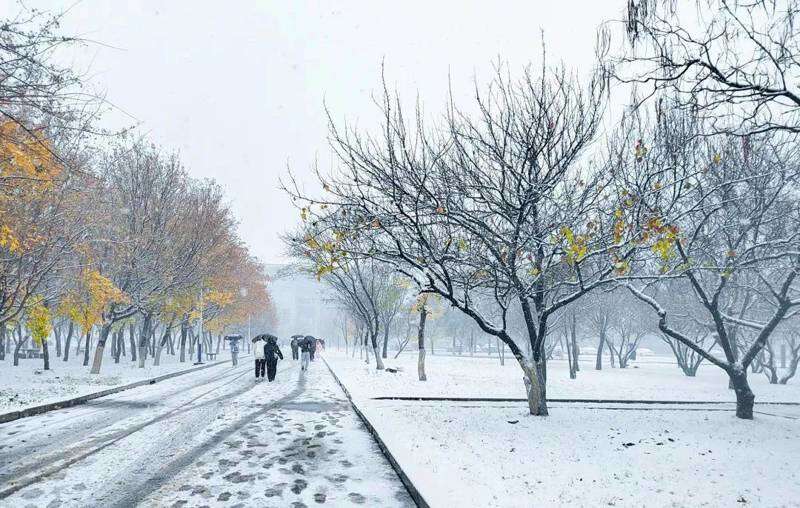
China is a very large country, and the weather can be quite different from one region to another. If you come from a tropical country, you may find it difficult to adapt to the winter in northeastern China.
In 2024, I encountered several students from the Democratic Republic of the Congo who could not adapt to the winter in Shenyang, a city in northeastern China. As a result, they had to interrupt their studies for a year and transfer to other universities.
Of course, not everyone will have the same experience. However, climate is something you should consider before choosing a university. If you plan to study in Shenyang or another northern city, check the winter temperatures and local living conditions in advance.
There is also the pressure of living far away from your family for a long period. No matter where you go, living abroad for several years can be stressful. I have also dealt with students who developed mental health problems after coming to China.
Many Chinese universities offer free psychological counselling services. You can ask senior students and teachers about these services when you enrol. I would suggest finding out what support is available before you need it.
2. A Different Teaching and Examination System
The second difficulty depends on your major, especially if you choose a Chinese-taught programme.
Chinese-taught programmes may make it easier to obtain better scholarship opportunities, but the textbooks, teaching methods and ways of thinking can be quite different from what you are used to. Even in STEM subjects, some mathematical symbols and other academic conventions may be unfamiliar.
Understanding everyday Chinese is also very different from following university lectures, reading specialised textbooks and answering examination questions in Chinese. This is something to consider carefully if you want to study in China through a Chinese-taught degree programme.
Another important point is the CSCA (China Scholastic Competency Assessment) examination. In 2027, almost all Chinese universities will require undergraduate applicants to take the CSCA exam. If you are planning to apply for an undergraduate programme, you should prepare for it in advance and check the required examination subjects for your intended major.
You can find more information in our CSCA exam guide.
If you are concerned about the transition to university, you could also consider a preparatory or foundation programme. It gives you time to improve your Chinese, review academic subjects and become familiar with the Chinese learning environment before starting your degree.
For students planning to study in China in 2027, the pre-university programme offers six-month and one-year preparation options.

3. Different Administrative Policies and Procedures
The third difficulty is related to administrative policies.
Since you have already done some research, you may know that visa procedures, accommodation arrangements and scholarship policies can differ between provinces and universities. Some of this information is only available in Chinese, which can make it difficult for international students to understand the requirements.
For example, this year, due to the impact of Ebola, students from the Democratic Republic of the Congo (Kinshasa) have experienced lengthy JW202 approval delays in certain provinces.
This is the kind of situation that can be difficult to anticipate when applying from overseas. Even if another student completed the same process without problems last year, their experience does not necessarily mean your application will follow the same timeline.
Whether you prepare your application independently or seek help from an education agency, do not overlook these changes. Keep in contact with your university and pay attention to the latest local requirements.
You can also read our article on preparation before enrolment for more practical points to consider before starting your studies in China.

My Advice to Students Planning to Study in China
I would not say that these difficulties should stop you from studying in China. Many international students adapt well and have a positive experience.
However, based on the students I have worked with, I would encourage you to prepare for more than just the application process. Think about the city where you will live, whether you can manage the language of instruction, how different the academic system may be, and what administrative problems you might encounter.
A scholarship is a valuable opportunity, but it does not mean that everything will be easy after you arrive.
If you are planning to study in China, do some research beyond what education agencies tell you. Speak to current students, ask questions about everyday life and try to understand the challenges before making your decision.
About SICAS
SICAS (Study In China Admission System) provides information about Chinese universities, degree programmes, scholarships and admission requirements, helping international students explore opportunities to study in China.